Sound Like a Full Band — Even If You Show Up Alone
The exact system I use for 140+ paid gigs a year to turn a solo act or small band into a room-filling live show — without adding more people or more chaos.
This 66-page PDF shows you exactly how I build and run my backing tracks, the gear that makes it reliable night after night, and the key decisions that separate a decent show from a standout one. It also includes video examples of two different approaches, plus real-world clips of the tracks in action.
✔ Real gig-tested workflow
✔ Price: $27

Read the intro and first two chapters free
Get the 16-page sample PDF and see whether the system clicks before you buy the full guide.
- Instant email delivery
- No login needed
- Includes the foundation behind the full 66-page blueprint
And in a real room, small doesn’t get remembered — or rebooked.
Why this guide exists
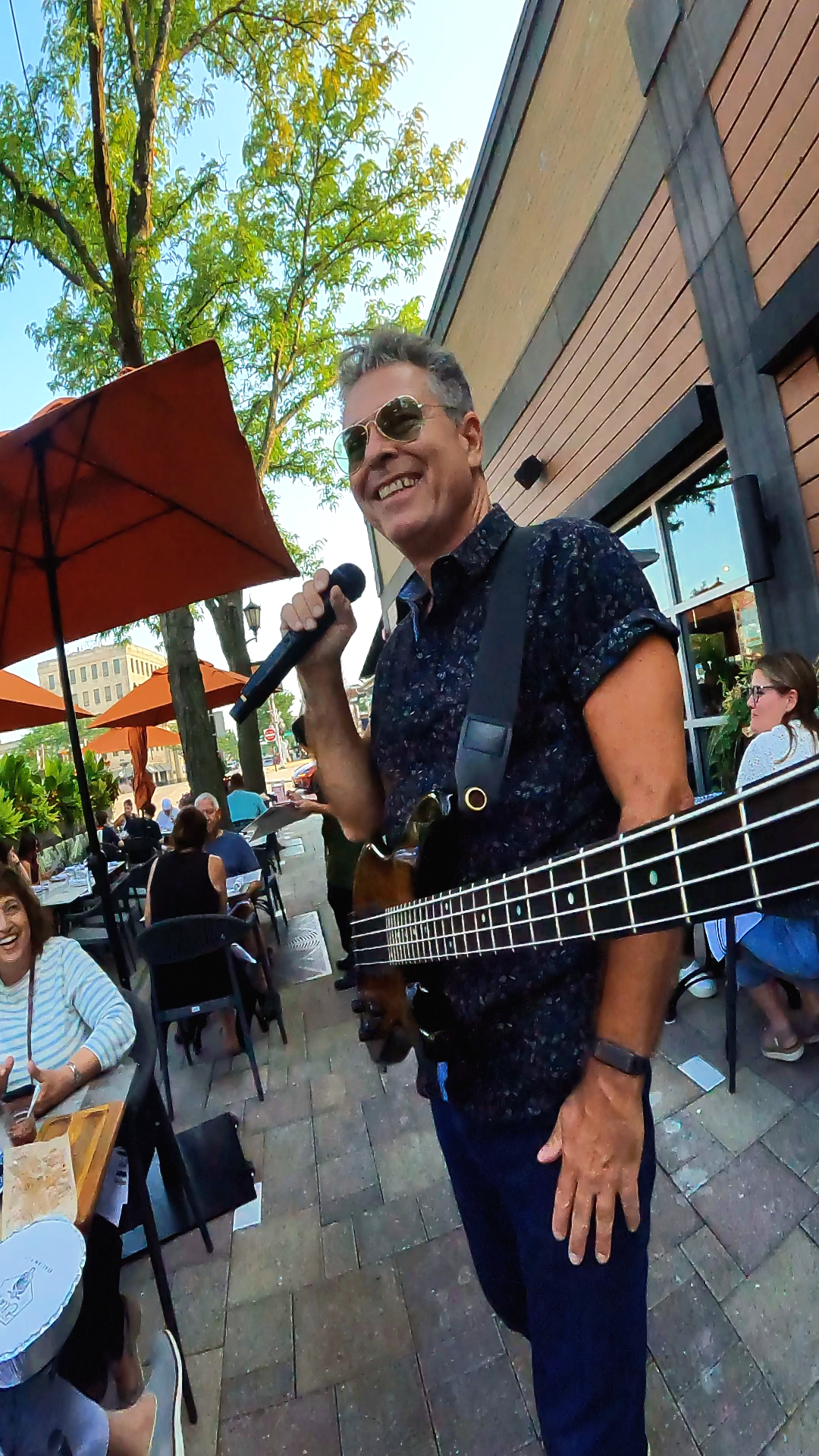
I play over 140 shows a year as a solo musician.
And almost every night, someone asks the same thing:
“How are you getting that sound?”
Because what they’re hearing doesn’t match what they’re seeing.
One guy.
But it sounds like a full band.
That’s not talent.
That’s a system.
Once I figured it out, everything changed:
- Better reactions
- Better gigs
- Better money
This guide shows you exactly how to do the same thing.
Most musicians are using backing tracks… wrong.
Not because they’re bad players — but because nobody showed them how to use them for a live room.
If you play solo gigs, you know the feeling.
Some nights the music is great, but something still feels small. The playing is solid. The songs are good. But compared to a full band, the sound just doesn’t land the same way.
For years I played in a three-piece band and once in a while we’d open for bigger regional acts. Every time it happened, they sounded massive compared to us.
Huge vocals. Tight transitions. Big energy.
Eventually I realized they weren’t just better musicians. They were supplementing their sound in smart ways.
Once I learned how to do that myself, my band and solo gigs changed. This guide shows you the same principles so you can sound bigger, tighter, and more professional whether you perform solo or with a band.
Inside the Backing Track Blueprint
A practical guide for working musicians who want their live show to hit harder without adding more chaos.
Not fragile. Not overbuilt. Something you can trust on a real stage.
Simple arrangement tweaks that keep momentum high and the room engaged.
Keep people leaning in instead of resetting between songs.
A simple approach that instantly adds width and power.
When the foundation is strong, your playing tightens and your confidence rises.
Simple, repeatable, and reliable when it actually matters.
These concepts also tighten and modernize full bands without adding more people.
What happens when the sound gets bigger
These techniques are used in real rooms, with real crowds, and they change how a performance feels.



Who this is for
This guide is a strong fit if you want your show to feel more polished, more exciting, and more competitive.
You perform solo and want a bigger sound, already use tracks but want them to sound better, or you want smoother transitions and a more professional overall show.
If your band wants to add support parts, tighten arrangements, or create a fuller modern sound without adding more musicians, these concepts apply to you too.
This is probably not for you if...
This is for musicians who want the show to land — not just fill space.
This is practical, working-musician stuff meant to improve your sound fast.
This is for musicians who want to use tracks tastefully and professionally.
The exact system used in 140+ live shows a year
No fluff. No theory dump. Just the practical concepts that help a solo act or band sound bigger, tighter, and more professional.
- Instant access after purchase
- Secure download link sent right away
- Start applying it to your next show tonight
What people are saying
Real reactions from musicians and audiences who’ve heard the difference.
“I bought this and have already used many of the tips that Nick suggests. But the little things he talks about have taken me to a new level. Worth every penny!”
— Buyer review“Best gig ever. You get bass player, guitar player, drummer, keyboard player, horns and back up singers. Genius! Keep it up.”
— Audience feedback“You must know something I don’t. Looks like you’re really enjoying and connecting. You play like you robbed a bank and gave away the money.”
— Audience feedback“As a musician I'm not crazy about full bands using backing tracks. Solo acts I can appreciate the reason why. That being said I support you. Anybody that can sing like that and play bass at the same time deserves my respect.”
— Fellow musicianQuick questions musicians usually have
Wondering if this will work for your setup? Here are a few things you might want to know.
No. The goal is to use smart concepts and a repeatable system with the tools you already have or can easily access.
No. Solo musicians, duos, and bands can all use these ideas to sound fuller, tighter, and more intentional live.
Yes. This was written to help you apply ideas quickly, not someday. You should be able to pull useful moves from it right away.
You are buying my field-tested framework for building tracks and running a show. A 66 page pdf, with two video walk-throughs and various other example videos of the tracks in action. This from a working musician who has already put these ideas through real rooms, real crowds, and real gigs.
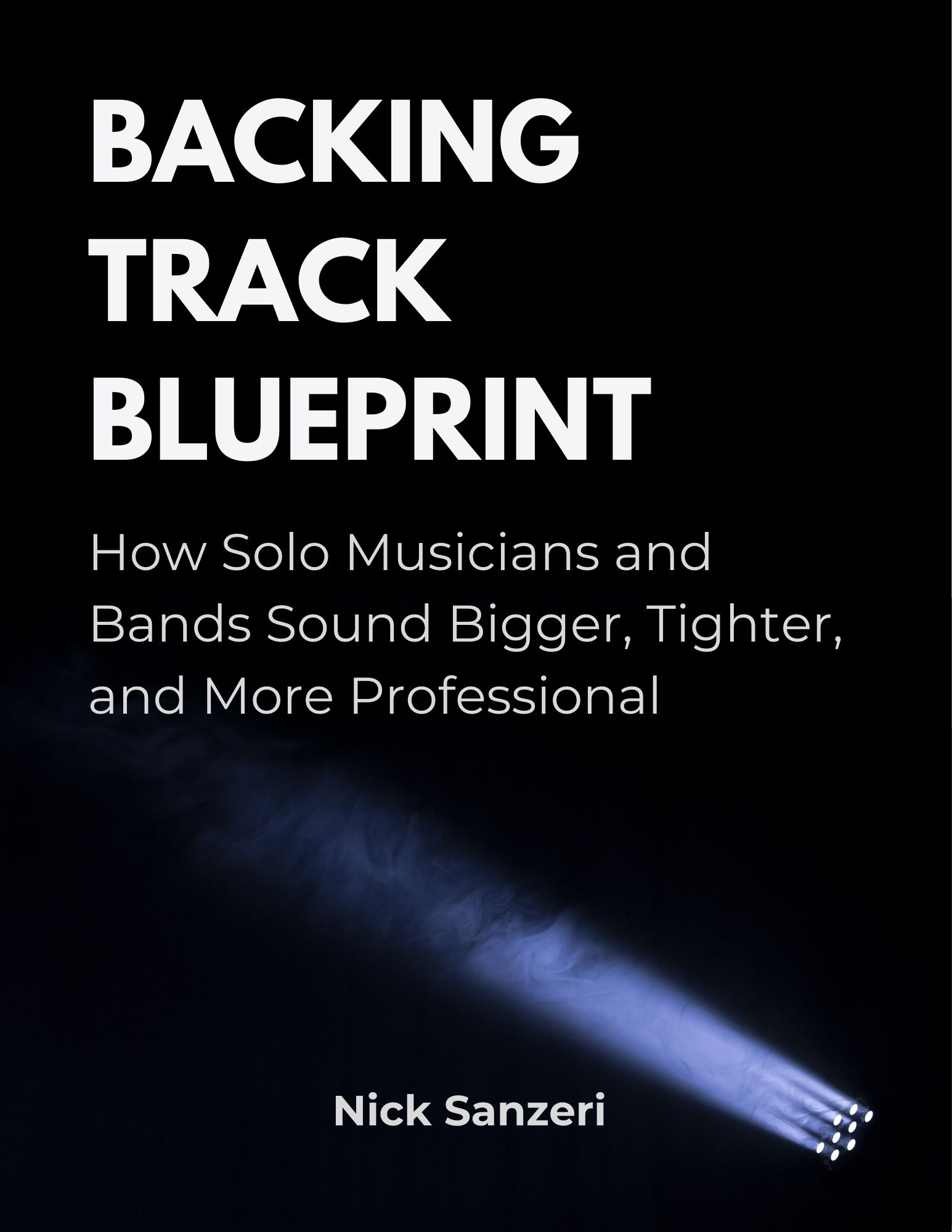
Backing Track Blueprint
How solo musicians and bands sound bigger, tighter, and more professional.
Used every week on stage in real gigs.
- Secure Stripe checkout
- Instant access after purchase
- Simple download flow — no login required
Start here
Buy now and you’ll be taken to secure checkout. After purchase you’ll see your download button right away.